

What we see on screen today is no longer limited by reality. From breathtaking cinematic worlds to hyper-real digital environments, visual storytelling has been completely transformed. The future scope of visual effects is redefining how stories are created, experienced, and consumed across films, OTT platforms, and digital media.
We are living in a time where the demand for immersive content is rising rapidly. With expanding VFX industry growth and evolving visual effects trends, the future scope of visual effects is opening up exciting career paths for creative professionals looking to build a global presence.
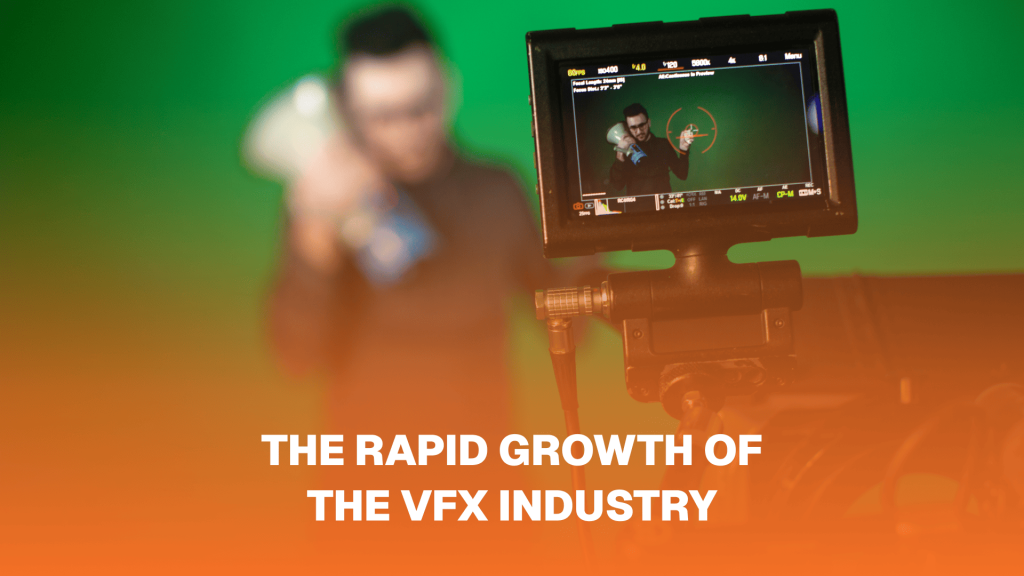
The Rapid Growth of the VFX Industry
The future scope of visual effects is closely tied to the massive expansion of the global entertainment industry. Over the past decade, we have seen significant VFX industry growth, driven by increasing demand for high-quality visual content across multiple platforms.
Today, visual effects are not limited to big-budget films. They are widely used in film and TV VFX, OTT series, advertisements, gaming, and even social media content. As audiences expect visually rich experiences, production houses are investing heavily in advanced VFX techniques.
India has emerged as a strong player in this space, contributing to global productions and benefiting from rising VFX career opportunities. Many international studios collaborate with Indian teams, further accelerating VFX industry growth and creating job prospects for trained professionals.
Another key factor is the growing use of VFX in short-form and branded content. With digital platforms expanding rapidly, the future scope of visual effects continues to strengthen across industries beyond traditional cinema.

Key Global Trends Shaping the Future of VFX
Technology is at the core of the future scope of visual effects, and global innovations are reshaping how VFX is created and delivered. Staying updated with evolving visual effects trends is essential for anyone entering this field.
One of the most impactful trends is real-time rendering. Production teams now use advanced tools and game engines to visualize scenes instantly, reducing production time and improving efficiency in film and TV VFX projects.
Artificial intelligence is also transforming workflows. AI-driven tools help automate repetitive tasks, enhance visual quality, and streamline production pipelines. These advancements contribute significantly to ongoing VFX industry growth.
Another major shift is the increasing demand for VFX in OTT platforms. Unlike traditional cinema, OTT requires continuous content production, creating consistent VFX career opportunities for skilled professionals.
Key visual effects trends include:
- Real-time rendering and virtual production
- AI-powered VFX workflows
- Growth of OTT and streaming platforms
- Expansion of gaming and virtual environments
- Demand for high-quality digital realism
These innovations highlight how the future scope of visual effects is evolving rapidly and becoming an essential part of modern storytelling.
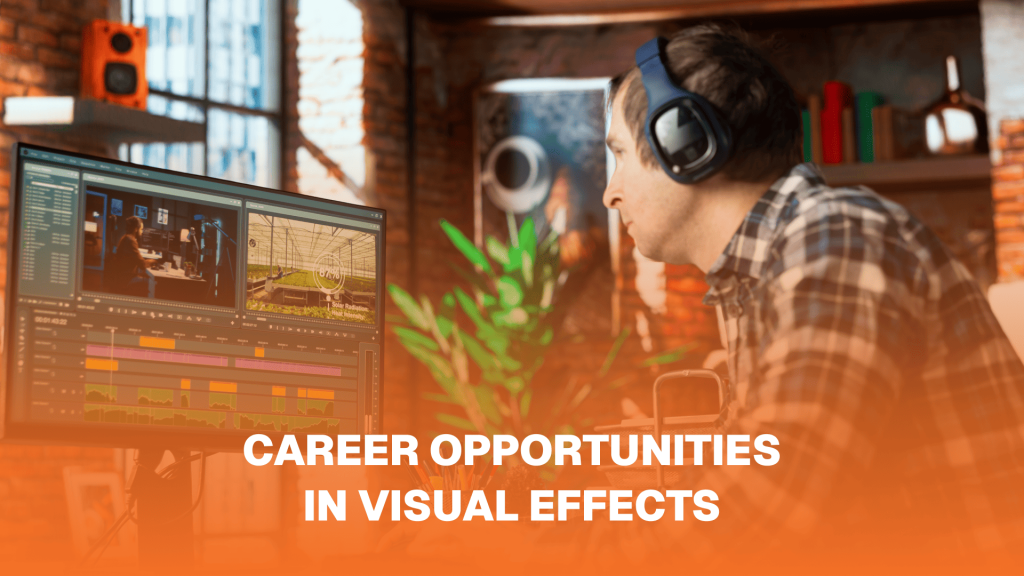
Career Opportunities in Visual Effects
The future scope of visual effects is reflected strongly in the wide range of careers available today. As the industry expands, so do specialised roles across different stages of production.
We now have access to diverse VFX career opportunities in film, OTT, gaming, advertising, and digital media. Each role focuses on a specific aspect of the VFX pipeline, allowing professionals to specialise based on their strengths.
Some popular roles include:
- VFX Artist
- Compositor
- 3D Modeler
- Lighting Artist
- FX Artist
- Matchmove Artist
- Roto Artist
The demand for professionals in film and TV VFX continues to grow as content production increases globally. Additionally, OTT platforms are creating long-term demand for skilled artists who can deliver high-quality visual effects consistently.
Freelancing has also become a strong option. Many professionals explore global VFX career opportunities by working remotely on international projects. This flexibility makes VFX one of the most dynamic and future-ready career paths.
As visual effects trends continue to evolve, new roles are emerging in areas like virtual production and real-time rendering, further expanding the scope of the industry.
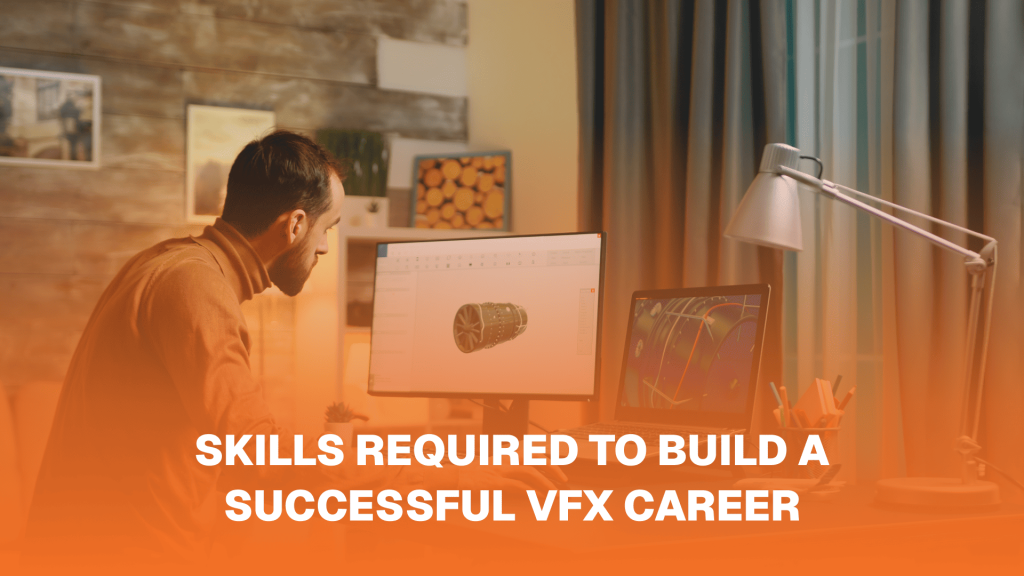
Skills Required to Build a Successful VFX Career
To succeed in the future scope of visual effects, we need a strong combination of creativity and technical expertise. VFX is not just about software; it is about understanding how visuals come together to tell a compelling story. Creatively, we must develop a strong sense of design, composition, and motion. Understanding lighting, perspective, and realism is crucial for creating believable visual effects, especially in film and TV VFX.
On the technical side, mastering industry tools is essential. Software like Maya, Nuke, Houdini, and After Effects plays a major role in professional workflows. These tools support the growing VFX industry by enabling complex visual production.
Important skills include:
- Visual storytelling and composition
- 3D modeling and animation basics
- Lighting and rendering techniques
- Attention to detail
- Problem-solving and adaptability
In addition to these, collaboration is a key skill. VFX projects involve multiple teams working together, making communication essential. As visual effects trends evolve, continuous learning becomes necessary to stay competitive.
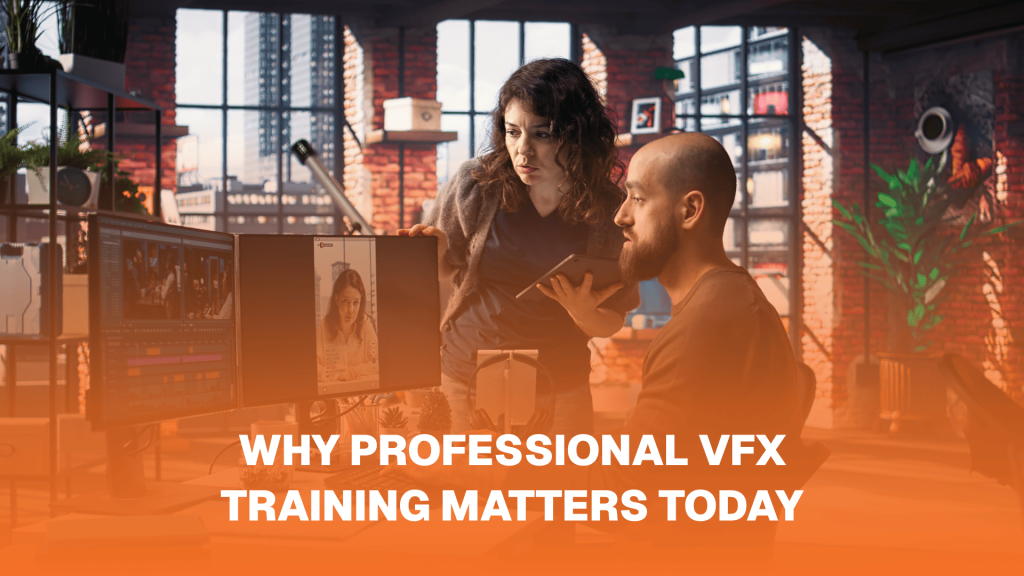
Why Professional VFX Training Matters Today
With the future scope of visual effects expanding rapidly, professional training has become more important than ever. While self-learning can provide basic knowledge, structured training offers a clear and practical pathway into the industry. A well-designed VFX course helps us understand the entire production pipeline, from concept development to final output. It also provides hands-on experience, which is critical for building confidence and technical skills.
Mentorship is another major advantage. Learning from industry experts helps us understand real-world challenges and workflows, especially in film and TV VFX environments. Training programs also focus on portfolio development, which plays a crucial role in securing jobs. A strong portfolio showcasing practical work can significantly improve access to VFX career opportunities.
Additionally, structured learning environments expose us to current visual effects trends, ensuring that we stay aligned with industry requirements and future advancements.

Conclusion
The future scope of visual effects is incredibly promising, driven by technological advancements, global demand, and continuous innovation. With expanding VFX industry growth, professionals in this field have access to diverse and rewarding career paths across film, OTT, gaming, and digital media.
At ZICA Bannerghatta Road, we prepare aspiring artists for this dynamic future through industry-focused VFX training programs. With expert mentorship, practical exposure, and portfolio development, we help students confidently step into global VFX career opportunities and build successful careers in visual effects.
FAQ'S
1. What is the future scope of visual effects in the entertainment industry?
The future scope of visual effects is highly promising, driven by OTT growth, digital content demand, and advanced technologies. VFX is now essential across films, advertising, gaming, and virtual production, creating long-term career opportunities globally.
2. How fast is the VFX industry growing globally?
The VFX industry is growing rapidly worldwide, fueled by OTT expansion, high-budget films, and gaming. With increasing demand for visual content, the industry is expected to see consistent double-digit growth in the coming years.
3. What career opportunities are available in visual effects?
Visual effects offers diverse careers such as VFX artist, compositor, 3D modeler, lighting artist, FX artist, and matchmove artist. Opportunities exist across films, OTT platforms, gaming, advertising, and global freelance projects.
4. Which trends are shaping the future of visual effects?
Key trends shaping VFX include real-time rendering, virtual production, AI-driven workflows, and OTT content demand. These innovations are improving efficiency, enhancing visual quality, and expanding creative possibilities across industries.
5. What skills are essential to succeed in the VFX industry?
To succeed in VFX, one needs creativity, strong visual storytelling, and technical skills in software like Maya or Nuke. Knowledge of lighting, rendering, attention to detail, and continuous learning are also essential.